October 16, 2026
Overcoming Back Pain: An Evidence-Based Guide to Relief and Recovery
Back pain is best managed through movement, active rehabilitation, topical support, and habit adjustments. Discover an evidence-based roadmap to speed up recovery and prevent future flare-ups.

Back pain is one of the most common physical ailments globally, affecting nearly 80% of adults at some point in their lives. When it strikes, the immediate impulse is often to head to bed and lie still until it passes. However, modern spine health research tells a very different story: movement, active rehabilitation, topically supportive remedies, and habit adjustments are the real keys to recovery.
While there is rarely a single "magic bullet" that cures all back pain overnight, following an evidence-based roadmap can significantly speed up healing, relieve discomfort, and prevent future flare-ups.
1. Ditch the Myths: What Science Says About Recovery
Before starting any recovery plan, it is critical to separate popular misconceptions from clinical reality:
- Myth: Bed rest is the best medicine.
- Fact: Extended bed rest weakens core and back muscles, stiffens joints, and often prolongs recovery. Gentle movement promotes blood flow to damaged tissue, accelerating healing.
- Myth: Pain always means permanent structural damage.
- Fact: Up to 90% of back pain cases are "non-specific" or mechanical, caused by temporary muscle strains, ligament sprains, or soft tissue irritation rather than severe spinal damage.
- Myth: You need an MRI or scan right away.
- Fact: Clinical guidelines advise against routine early imaging for uncomplicated back pain. Many pain-free adults have bulging discs or wear-and-tear on scans, meaning findings on an MRI rarely correlate directly with your pain levels.
- Myth: Surgery is the ultimate fix.
- Fact: Invasive procedures are only necessary for a small fraction of spinal issues. Conservative, non-surgical approaches—like exercise, physical therapy, and topical herbal remedies—are the recommended first-line treatment.
2. Immediate Relief Measures for Acute Pain
When a back pain episode begins, focus on calming inflamed tissues while maintaining light mobility:
- Heat vs. Ice Therapy:
- Use ice packs (wrapped in a towel) for 15–20 minutes at a time during the first 48 hours to numb sharp pain and control acute inflammation.
- Switch to moist heat (heating pads or warm baths) after 48 hours to relax tight, spasm-prone muscles and boost circulation.
- Topical Herbal Support (Rejeki Jaya Culilawan Bark / Minyak Kulit Lawang):
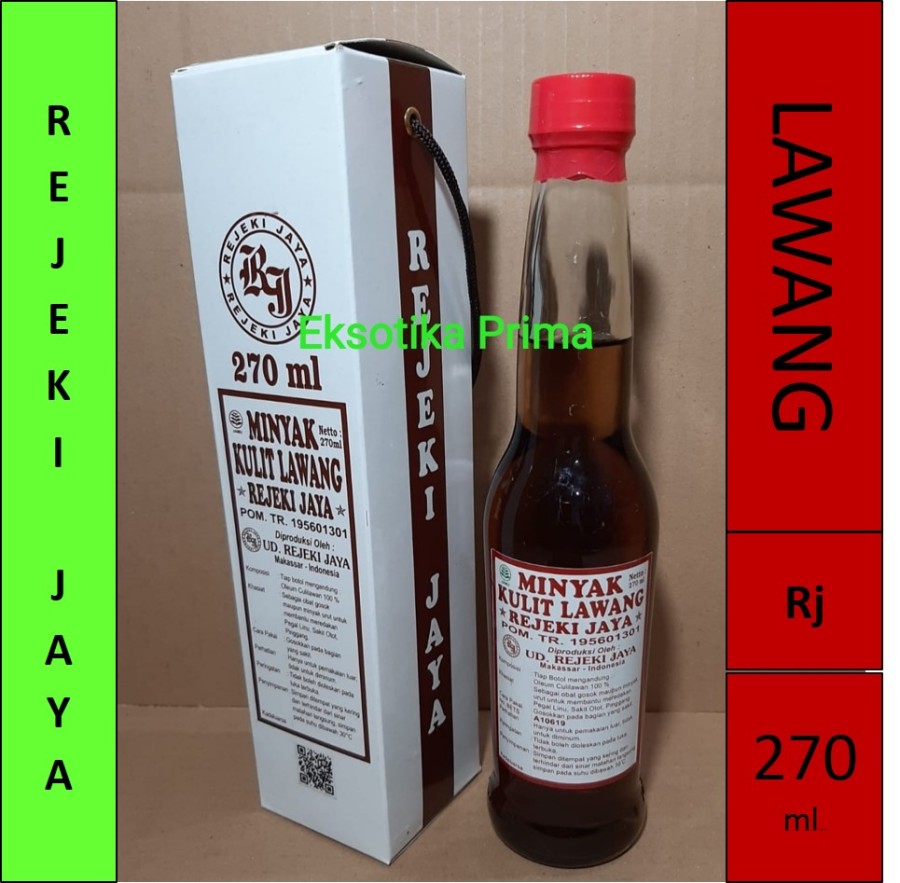
- Topical analgesics and traditional rub oils offer effective local relief without systemic side effects.
- Culilawan Bark Oil (Oleum Culilawanea), commonly known in Indonesian traditional medicine as Minyak Kulit Lawang (such as Rejeki Jaya Minyak Kulit Lawang), is distilled from 100% Cinnamomum culilawan bark.
- How It Works: Culilawan bark contains natural warming essential oils (rich in eugenol and aromatic compounds) that penetrate deep into sore lower back muscles, easing localized stiffness, rheumatic aches (pegal linu), and muscle spasms.
- Application: Rub a few drops of Rejeki Jaya Culilawan Bark oil evenly over the lower back area after applying heat or taking a warm shower. Gently massage in circular motions to enhance local blood flow and soothe strained lumbar tissues.
- Short-Term Pain Management:
- Over-the-counter anti-inflammatories (NSAIDs) like ibuprofen or naproxen can help manage severe pain temporarily to keep you moving, but they should not be relied upon long-term.
- Decompressing Spinal Positions:
- Pillow Support: When lying on your back, place a pillow under your knees to take pressure off the lumbar spine. If sleeping on your side, place a pillow between your knees to keep your pelvis neutral.
3. Active Rehabilitation: The Core of Long-Term Recovery
Movement is medicine for the spine. Incorporate these low-impact exercises once acute pain subsides:
Key Stretches
- Cat-Cow Stretch: On hands and knees, alternate between gently arching your spine upward and letting your belly sink downward. This mobilizes the spinal joints smoothly.
- Bird-Dog: On all fours, extend your right arm forward and left leg backward simultaneously while engaging your stomach muscles. Hold for 3 seconds, then switch sides. This stabilizes the lower back without strain.
- Child’s Pose: Kneel on the floor, sit back on your heels, and reach your arms forward on the mat to gently stretch the lower back musculature.
Low-Impact Aerobics
- Walking: Simply walking 20–30 minutes daily maintains lumbar disc hydration and strengthens postural muscles without jarring impacts.
- Swimming & Water Aerobics: Buoyancy in water reduces gravitational pressure on your spinal column while providing gentle resistance.
4. Lifestyle Habits for a Resilient Back
Recovering from back pain is only half the battle; preventing its return requires daily habits that support spine health:
- Ergonomics: Set monitors at eye level. Sit with your hips level with or slightly higher than your knees, and use lumbar support.
- Micro-Breaks: Break up prolonged sitting every 30–45 minutes by standing up, stretching, or walking around for 2 minutes.
- Lifting Technique: Lift heavy objects close to your body using your leg and hip muscles—never bend forward at the waist while twisting.
- Topical Maintenance: Apply warming herbal oils like Culilawan bark oil (Minyak Kulit Lawang) before bedtime on heavy activity days to keep muscles loose.
- Stress & Sleep: High stress increases muscle tension and pain sensitivity. Prioritize 7–8 hours of quality sleep and practice stress-reduction techniques.
5. When to See a Doctor ("Red Flag" Symptoms)
While most back pain resolves naturally within a few weeks, certain symptoms warrant immediate medical evaluation:
- Loss of bowel or bladder control.
- Numbness, tingling, or weakness spreading down one or both legs (e.g., foot drop).
- Pain accompanied by an unexplained fever, chills, or sudden weight loss.
- Severe, unrelenting pain that worsens significantly when lying down at night.
- Pain caused by a major trauma, such as a fall or auto accident.


